Application guide

Pigments for
Textile Colouration

Offering bright, durable pigments for long-lasting textile colouration. Our grades are formulated for binder-based pigment printing and padding across cotton, polyester, and blended fabrics — delivering vibrant, wash-fast colour without the effluent challenges of reactive dye systems.

Wash & rub fast with suitable binders Bright, clean shades Cotton · Polyester · Blends
6
Recommended pigment grades
1
Available product form
150°C
Typical binder cure temperature
ISO 7
Lightfastness for outdoor fabrics
What textiles demand

Key Performance Requirements

Pigment printing differs from dyeing — colour is held on the fibre surface by a binder system rather than by a chemical bond. This means fastness properties are determined by both the pigment and the binder, but pigment selection still matters significantly.

Wash & rub fastness

Pigment-printed textiles must withstand repeated laundering without colour loss or staining adjacent fabrics. Fastness is primarily determined by the binder crosslink density, but pigment particle size and wettability affect how well the binder anchors the colour.

Lightfastness for outdoor & apparel use

Home textiles, outdoor fabrics, and fashion garments require different lightfastness standards. Garden furniture and awning fabrics need ISO 6–7 minimum. Phthalocyanine blues and PG 7 are the strongest performers in this category.

Binder compatibility

Pigment prints use acrylic, polyurethane, or self-crosslinking binder systems. Pigments must disperse uniformly in the print paste without gelling, aggregating, or affecting the rheology of the printing thickener — which can cause clogging of rotary screen mesh.

Bright, clean hue

Textile colours are viewed under retail lighting and must match brand colour standards. Clean, high-chroma pigments — particularly the phthalocyanine blues and PV23 — are essential for achieving saturated, commercially competitive colour.

Product forms

Forms Available

Textile applications use a single aqueous form — dispersion-paste — which combines the fine particle size of a pre-dispersed product with sufficient concentration for use in print paste and padding formulations.
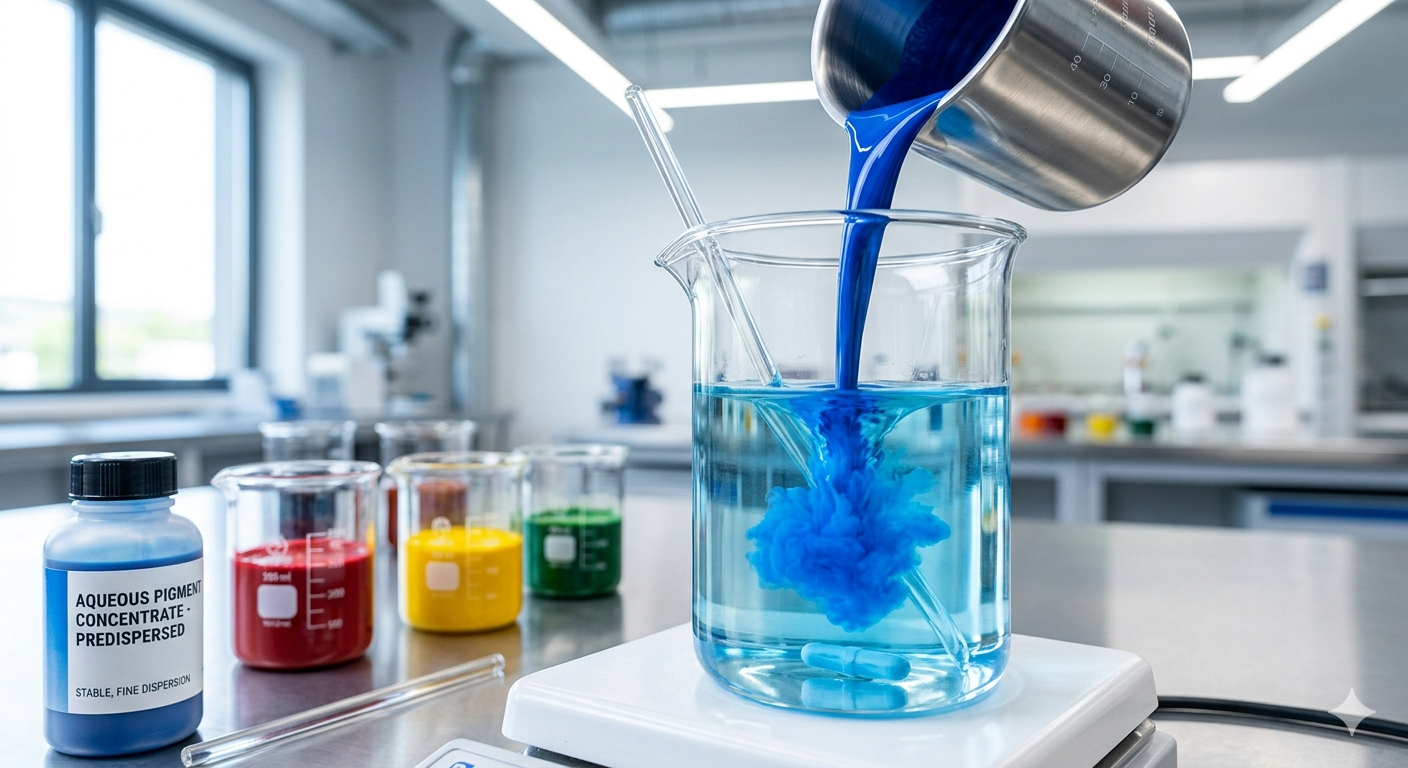
Dispersion Paste - Water-Based

Dispersion-Paste — Water-Based

Pre-dispersed aqueous pigment paste optimised for textile print pastes and padding liquors. Fine particle size delivers clean, bright hue and consistent colour yield across the fabric width. Compatible with acrylic, polyurethane, and self-crosslinking binder systems.

Typical loading1–8% in print paste
Best forRotary screen, flatbed, padding
Binder compatibilityAcrylic, PU, self-crosslinking
Cure temperature140–170 °C (binder cure)
Packaging20 L pails / 200 L drums
Shelf life12 months
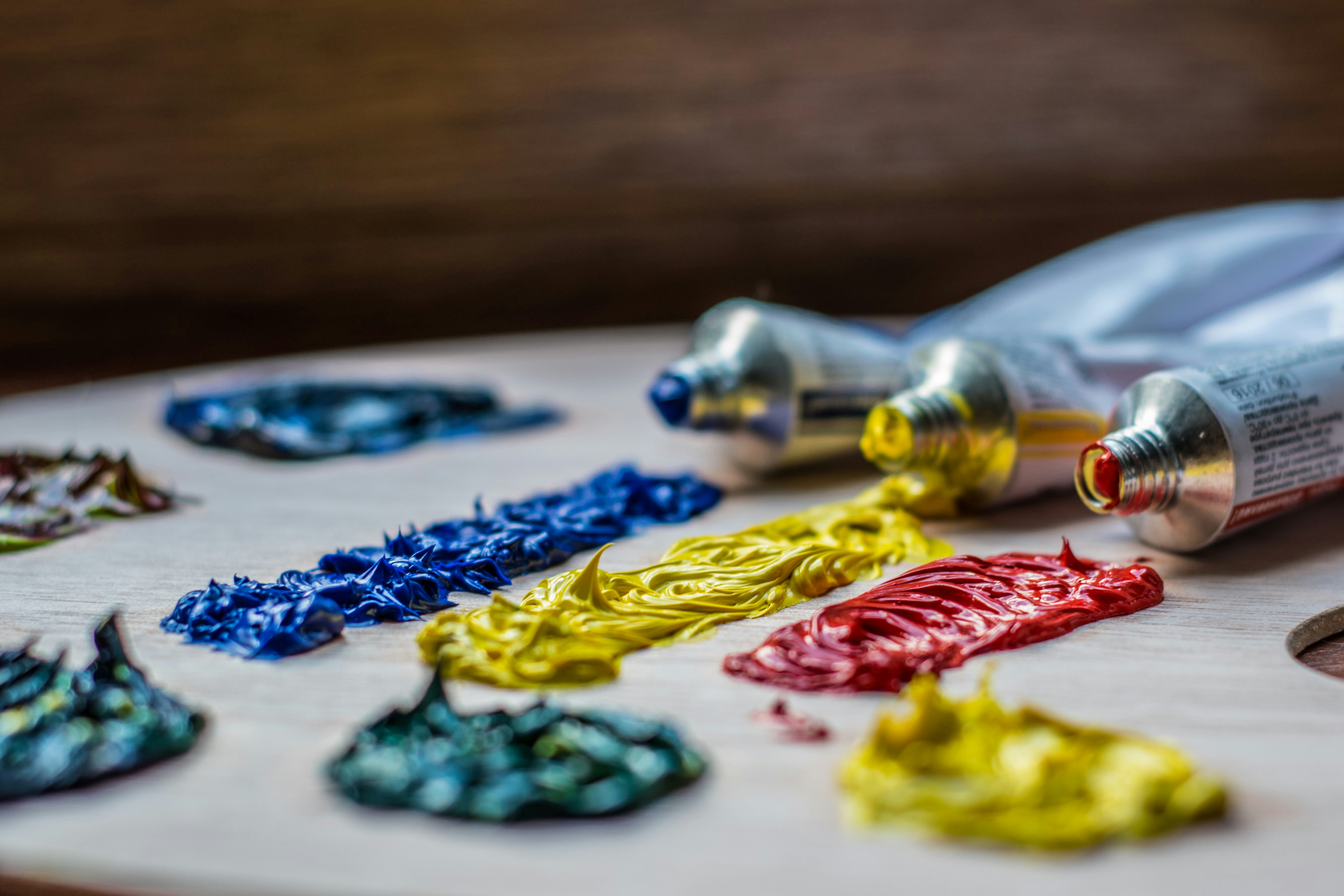
Paste - Textile Printing

Paste

Chemrad pigment pastes are suitable for all standard textile printing and colouration processes used in the industry today.

Rotary screen printingHigh-volume continuous print
Flatbed screen printingDetailed & fashion prints
Padding / exhaustSolid fabric colouration
Digital inkjet (indirect)Via pigment ink formulation
Fibre typesCotton, polyester, blends
FixationThermofixation or pad-dry-cure
Pigments are used exclusively for binder-based textile printing and coatings. Wash and rub fastness are primarily determined by the binder system and curing conditions — always use an appropriate crosslinking binder and cure at the recommended temperature for the best results.
Quick reference

Recommended Pigments & Performance

Key properties for each grade in binder-based textile printing systems. All fastness ratings assume use with a suitable crosslinking acrylic or PU binder cured at 150–160 °C.

Pigment Application role Lightfastness Wash Fastness Rub Fastness Cotton Polyester
PB 15:3
Bright blue — textile printing
PB 15:4
Reddish blue — fashion shades
PG 7
Clean green — pigment prints
PY 74
Bright yellow for textiles
PV23
Deep violet & purple tones
Pigment Red
Strong textile reds
Recommended
Suitable — verify first
Not recommended

Ready to find the right pigment for your textile system?

Our technical team can advise on grade selection, paste loading, and binder compatibility for your specific fabric type, printing process, and fastness requirements.

Request a Quote