Application guide

Pigments for
Rubber & Elastomers

Providing strong, fade-resistant colour for high-performance rubber products. Our pigments are selected for their resistance to vulcanisation conditions, plasticiser migration, UV degradation, and mechanical stress — across natural rubber, EPDM, and synthetic elastomer systems.

Non-bleeding & non-migrating Heat resistant to 200 °C NR · EPDM · SBR · NBR
6
Recommended pigment grades
200°C
Max vulcanisation temp.
1
Available product form
ISO 7
Lightfastness rating
What rubber demands

Key Performance Requirements

Rubber processing involves sulphur vulcanisation, high-pressure moulding, and long outdoor service lives. Pigments must survive every stage without compromising compound integrity or colour.

Heat resistance

Vulcanisation temperatures typically range from 140–200 °C. Pigments must maintain colour and not decompose or cause surface defects during the curing cycle.

Non-bleeding & non-migrating

In plasticised rubber compounds, pigments must not migrate to the surface (blooming) or bleed into adjacent materials — especially critical for multi-layer rubber products and food-contact seals.

UV & ozone stability

Outdoor rubber applications — garden hoses, automotive seals, roofing membranes — require pigments rated ISO 7 or higher to resist fading and surface chalking over years of weathering.

Chemical & sulphur resistance

Sulphur-based vulcanisation systems and accelerators can react with certain pigments, causing shade shifts or reducing cross-link density. Our grades are tested for sulphur compatibility.

Product forms

Forms Available

Chemrad pigments for rubber are supplied in dry powder form — the standard for rubber compounding, providing maximum flexibility in millbase and open-mill formulation.
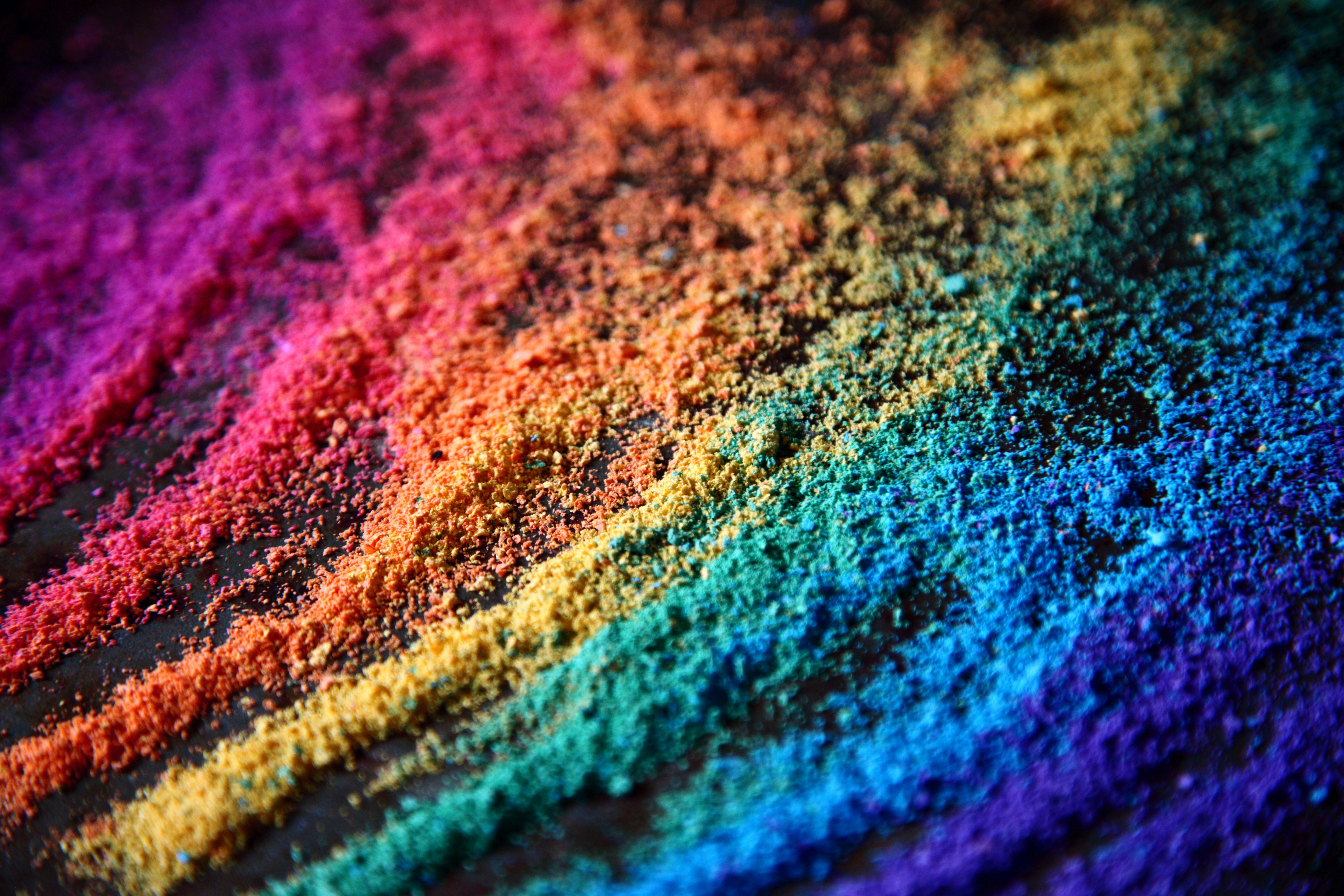
Pigment powder in a pile

Powder

Dry pigment powder for direct incorporation into rubber compounds on an open mill or internal mixer. Compatible with all standard rubber compounding workflows — NR, SBR, EPDM, and NBR systems.

Typical loading1–5 phr in rubber compound
Best forOpen mill, internal mixer, calender
Packaging25 kg paper bags / custom
Shelf life2 years from date of manufacture
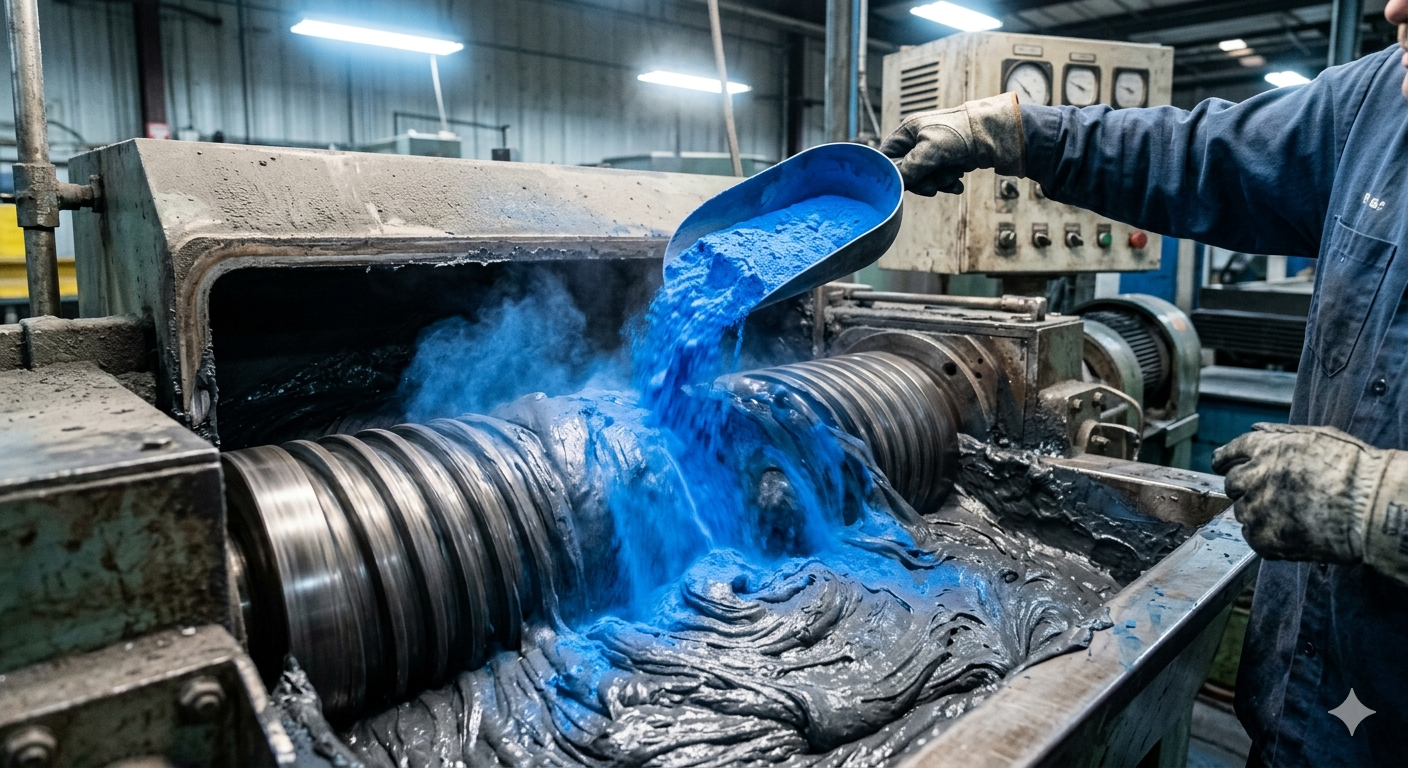
Close-up of a rubber compound being mixed on an open mill

Compound Integration

Pigment powder is added at the millbase or final mixing stage of rubber compounding. Proper dispersion ensures uniform colour throughout the compound and prevents surface streaking or specks in the moulded article.

Addition stageMillbase or final mix
Dispersion methodOpen mill or internal mixer
Pre-mixing recommendedYes — blend with process oil first
Cure systemsSulphur, peroxide, metal oxide
Quick reference

Recommended Pigments & Performance

Key properties for each grade in standard rubber compounding systems. Contact us to confirm suitability for your specific elastomer and cure system.

Pigment Application Role Heat Res. Non-Bleed Lightfastness Sulphur Cure Peroxide Cure
PB 15:3
Heat-stable blue for rubber compounds
PB 15:4
Strong blue for moulded rubber
PG 7
Chemical & heat resistance
PY 74
General rubber application
PV23
Deep violet at low dosage
Pigment Red
Moulded rubber goods
Recommended
Suitable — verify first
Not recommended

Ready to colour your rubber products?

Our technical team can confirm pigment suitability for your specific elastomer, cure system, and end-use — including sample dispatch and full TDS documentation.

Request a Quote